

If you live in the Portland Metro, Salem, Albany, or Eugene, you likely take a lot of pride in the “DIY spirit” that defines the Pacific Northwest. We fix our own fences, we maintain our own gardens, and we often tackle home improvements with a wrench and a YouTube tutorial. It’s part of the culture of self-reliance that makes Oregon such a unique place to live.
However, when your roof reaches the end of its life and you have a high-voltage solar array standing in the way of your new shingles, that DIY spirit can lead to a catastrophic financial and safety trap.
As the years pass, the shingles underneath your power plant age. Whether it’s the constant rain of the Willamette Valley causing moss buildup or simple UV degradation, eventually, every roof needs a reset. When it’s time for a re-roof, many homeowners find themselves searching for “how to remove solar panels” or “who can remove solar panels from a roof.” Unfortunately, they often stumble upon DIY forums or “handyman” videos that make the process look like a simple matter of unbolting a few brackets.
At Energy Solutions, we specialize in professional solar panel removal and reinstallation (R&R). We’ve seen firsthand the results of a botched DIY attempt—from fried electronics to compromised roof warranties. Let’s take a deep dive into the physical, structural, and legal dangers of the DIY path versus the security of hiring a licensed electrical contractor.
The DIY Trap: 3 Reasons Why “Doing It Yourself” is Dangerous
A solar array is not a passive piece of glass; it is an active, live power plant. The moment you step on a roof to remove panels, you are entering a high-voltage electrical zone that does not forgive mistakes.
1. The DC Arc Flash Risk
This is the most dangerous misunderstanding in the DIY world. Most household appliances use Alternating Current (AC). Solar panels produce Direct Current (DC). Unlike AC, which “pulses” sixty times a second (allowing a person a chance to “let go” if shocked), DC is a constant, high-pressure flow of energy.
As long as the sun is hitting your panels—even on a cloudy day in Portland—they are live. If you unplug a DC cable incorrectly while the system is under load, it can instantly create an electrical arc flash. This is a blast of pure heat that can reach temperatures hotter than the surface of the sun. An arc flash can cause life-threatening burns, permanent eye damage, and instantly ignite your roof’s underlayment. Our in-house licensed electricians utilize specialized tools and testing equipment to safely isolate and discharge this voltage before a single wire is touched.
2. The Physical Weight and Structural Danger
Modern residential solar panels weigh approximately 40 to 50 pounds each and are roughly 17.5 square feet in size. Handling these large, slick sheets of glass on a steep, mossy, or damp Oregon roof is a recipe for disaster. One slip can lead to a shattered $500 panel, but more tragically, a fall from the roof.
Furthermore, solar panels are effectively “sails.” Even a moderate breeze in the Columbia River Gorge or the Willamette Valley can catch a panel while you are holding it, easily throwing you off balance. Professional installers use engineered fall-protection, specialized handling techniques, and a coordinated team of at least two to three people to ensure the equipment and the people remain safe.
3. The Warranty Death Sentence
This is the hidden financial “cost” of DIY removal. As consumer resources from the Solar Energy Industries Association (SEIA) point out, manufacturer warranties for panels and microinverters (like Enphase) are strictly tied to professional, certified installation.
If you—or an unlicensed handyman—unbolt that equipment, your 25-year manufacturer warranty is often voided instantly. If a microinverter fails three years after your re-roof, you will have zero recourse and will be forced to pay 100% of the replacement and labor costs out of pocket.
The “Roofer Rule”: DIY Removal by Proxy
When homeowners hire a roofing company in Salem or Portland, they often fall into a different version of the trap. The roofer might say, “Don’t worry, my guys can take those panels down for an extra few hundred bucks. We do it all the time.”
This is what we call the Roofer Rule: Roofers are experts at roofing, not electricians. Allowing a roofing crew to handle your solar removal is essentially “DIY by proxy.” They are not trained in the National Electrical Code (NFPA 70) or high-voltage DC safety. In our decade of experience serving Oregon, we have seen roofing crews:
- “Crunch” delicate DC wiring by stepping on cables with heavy work boots, leading to ground faults that are nearly impossible to find later.
- Lose vital mounting hardware or specialized “end-clamps” that are no longer manufactured, forcing the homeowner to buy a completely new racking system.
- Fail to properly flash the new roof penetrations during reinstallation. Ironically, by letting a roofer handle the solar, you often end up with a leak that ruins your brand-new roof investment.
The Professional R&R Workflow: What You’re Actually Paying For
When you choose a professional removal and reinstallation service, you aren’t just paying for “lifting glass.” You are paying for an engineered decommissioning and re-commissioning of your home’s power plant.
1. The Pre-Removal Health Audit
Before a single bolt is turned, our electricians perform a full system diagnostic. We document your system’s current performance and TSRF (Total Solar Resource Fraction) metrics. We want to know exactly how your system is behaving before it moves. This protects you by ensuring that if there were any pre-existing issues, they are identified and handled before the roofers arrive.
2. Secure On-Site Storage (No Warehouse Risks)
A common mistake in DIY or “cheap” removals is how the panels are stored. We’ve seen panels leaned against the side of a house where a lawnmower kicks a rock through the glass, or where high Oregon winds catch them and flip them over.
We exclusively provide on-site secure storage. Our team will work with you to designate a safe area on your property (like a garage, a covered patio, or a fenced side yard). We carefully stack the panels with specialized protective padding between the glass, wrap the entire stack, and secure it. We do not transport panels off-site to a warehouse, as the vibration and handling of transit are the leading causes of “micro-cracks” in solar cells that can degrade your power production over time.
3. Precision Reinstallation and Modern Permitting
After your roofers have installed the new shingles, our licensed electricians return. We don’t “guess” where the panels go. We use the original engineering plans to reinstall the array with brand-new, premium flashed attachments. We never reuse old roof penetrations, ensuring your new roof warranty remains 100% valid.
Finally, we pull all necessary electrical permits. Since the National Electrical Code is updated every three years, a reinstallation in 2026 often requires minor updates to the grounding or labeling of your system to pass a county inspection. We handle all of this so your home remains legal and insurable.
The “Silver Lining” of Professional Reinstallation
If you are already going through the effort of a removal and reinstallation, it is the absolute most cost-effective time to perform vital upgrades. Because the labor of getting onto the roof and handling the panels is already accounted for, adding these features costs a fraction of what they would as a standalone project.
1. Critter Guard Installation (Pest Abatement)
In Oregon, squirrels and pigeons are the #1 threat to solar arrays. They love to nest in the warm gap between your panels and your roof. Once they move in, they frequently chew through high-voltage wiring, which is a leading cause of system failure and rooftop fire risk. While the panels are being handled, it is the best time to install a high-quality, black-PVC-coated wire mesh “critter guard.” This keeps pests out and prevents flammable leaf debris from building up under your array.
2. Microinverter Upgrades
If your older system (installed between 2010 and 2016) uses an aging central “string inverter,” this is the perfect time to pivot to advanced Enphase microinverters. By upgrading while the panels are down, you can instantly boost your energy production by 10% to 20%, especially if you have trees that have grown significantly since your original installation.
3. Battery Integration for Grid Resilience
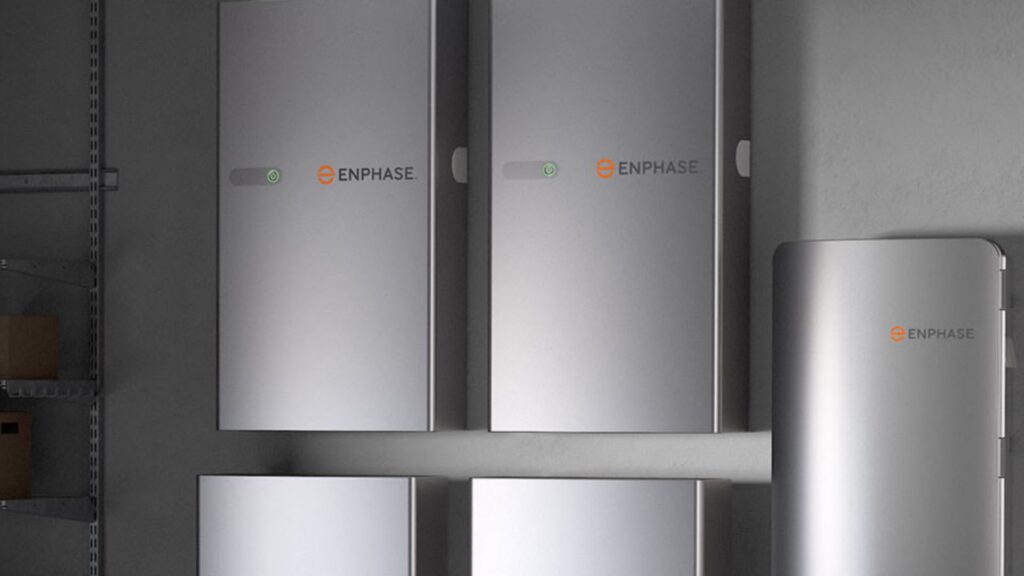
With the increase in grid failures and proactive wildfire shutoffs monitored by the Oregon Department of Energy, standard solar is no longer enough to keep your lights on. Because our electricians are already working on your main electrical panel during the R&R, adding an Enphase Battery Backup is a highly efficient way to transform your home into a blackout-proof microgrid.
The Verdict: Protect Your Largest Investment
While the cost to remove solar panels professionally in the Willamette Valley typically ranges from $2,500 to $5,000+, the “DIY cost” is almost always higher when things go wrong. Between voided warranties, roof leaks, and damaged electronics, a botched removal can easily cost a homeowner over $10,000 in repairs and lost energy production.
Frequently Asked Questions (R&R Edition)
- Can my roofer just “roof around” the panels? We strongly advise against this. It creates a “patchwork” roof that is almost guaranteed to leak, and it makes future repairs to the panels impossible.
- How long does the R&R process take? Typically, the removal takes 4-6 hours. We then leave the equipment on-site while your roofers work (usually 2-3 days). Once the roof is done, our reinstallation takes 6-8 hours.
- Will you reinstall a system someone else put up? Yes! We take over “orphan” systems all the time. Our in-house licensed electricians will audit the system and bring it up to modern standards.
Whether you are in Portland, Salem, Albany, or Eugene, your solar array is a high-performance power plant. Don’t trust its removal to a DIY tutorial or a roofing crew. Trust the local experts who treat your home like their own.
Get a Free Quote today and let our licensed Oregon experts handle your solar removal and reinstallation with the precision your home deserves!
Explore More About Your Solar Ecosystem
- Net Metering: How to bank your summer sunshine with Oregon Net Metering.
- System Size: See how much power a 20-panel array produces.
- Earthquake Resilience: Building an energy fortress for “The Big One”.